Talent at MiningTech: perhaps the challenge isn't finding it, but developing it.
Taking advantage of the recent Labor Day celebration, we wanted to take a closer look at what truly drives MiningTech companies: human talent. We’d like to share this article by our CEO, Patricio Rojas Ábalos, in which he reflects on why, at Antara, we believe that the best training for a team comes not only from manuals, but also from hands-on experience with operations.
In the MiningTech world, we talk a lot about innovation, efficiency, and optimization. We invest time, resources, and talent in developing technologies capable of predicting failures, optimizing operations, and improving critical decision-making in the mining industry. However, at the same time, we often face a recurring challenge: the difficulty of finding professionals who combine an understanding of the mining industry, hands-on experience, and technological expertise.
And perhaps that’s where it’s worth asking ourselves an uncomfortable but necessary question: Is that “perfect” talent really in short supply, or have we set our expectations too high by expecting to find it fully formed?
Traditional mining, with all its challenges and complexities, has been teaching us something valuable for years: employee training is not a side issue; it is central to the business. In an industry where safety, operational continuity, and high-stakes decisions are at stake, training people has never been optional.
Perhaps that is one of the most important lessons that MiningTech companies should pay closer attention to.
Today, many technology companies are looking for hybrid profiles that are very hard to find: people who understand mining operations, speak the client’s technical language, are comfortable working in the field, and are also proficient in digital tools, data, automation, and artificial intelligence. But rather than assuming that such a profile must be brought in from outside, perhaps the challenge lies in creating better conditions to develop it from within.
We train algorithms, but what about our people?
As Leo Prieto asks in his column, “Who Are We Training?”, we are facing an interesting paradox: we are perfecting machine training, while we often underestimate the importance of training people. And in industries like ours, that gap can be particularly evident.
Because at MiningTech, we don’t just need more sophisticated technology. We also need teams with a deeper understanding of the business, closer ties to operations, and a greater ability to turn real-world problems into valuable solutions. That means looking at talent in a different way.
It means moving beyond focusing solely on immediate job fit and instead placing greater emphasis on learning potential, curiosity about the industry, motivation to understand the customer, and the ability to thrive in complex environments. Sometimes, a person who doesn’t yet fully understand mining but is eager to learn, humble enough to listen, and capable of connecting different disciplines can generate far more value than someone who meets all the requirements on paper but fails to develop a real understanding of the problem.
In that vein, an idea put forward by Adam Grant in his book *Give and Take* is particularly apt: motivation often precedes the development of talent. And in fields where the challenges are so specific, that motivation can make all the difference.
From the Desk to the Factory Floor: The Value of "Getting Your Hands Dirty"
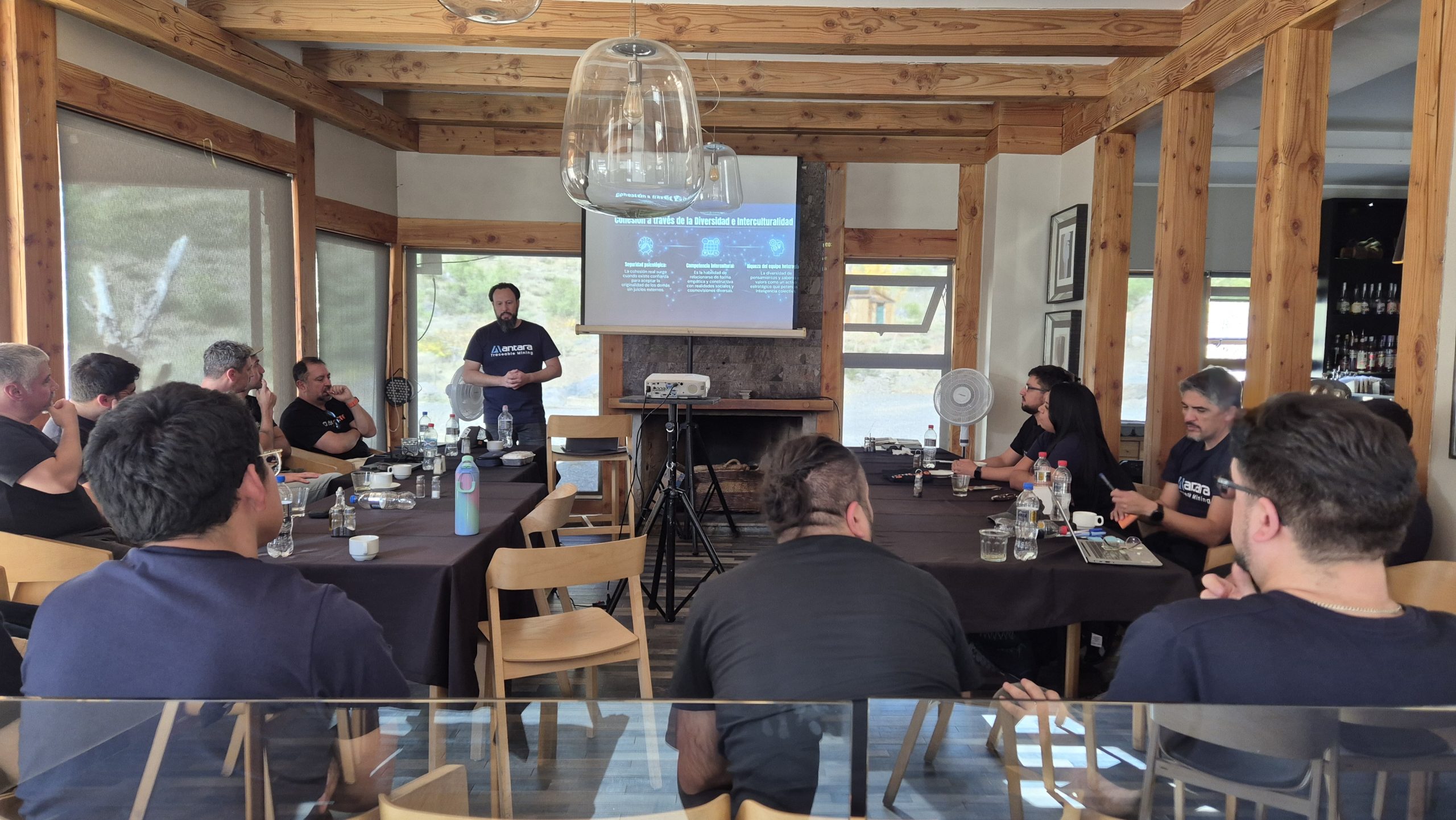
At Antara and Aisoncore, we experience this firsthand. We’ve noticed something truly valuable: many of the developers who join our team bring a motivation that we love—a genuine curiosity to see a mining operation in person.
We don’t just stop at good intentions. Whenever safety conditions and our clients’ trust allow, we take our developers out into the field. It’s not a stroll; it’s an immersion. We want them to see the processes, feel the harshness of the environment, understand the scale, and, above all, hear firsthand about the challenges faced by those on the ground.
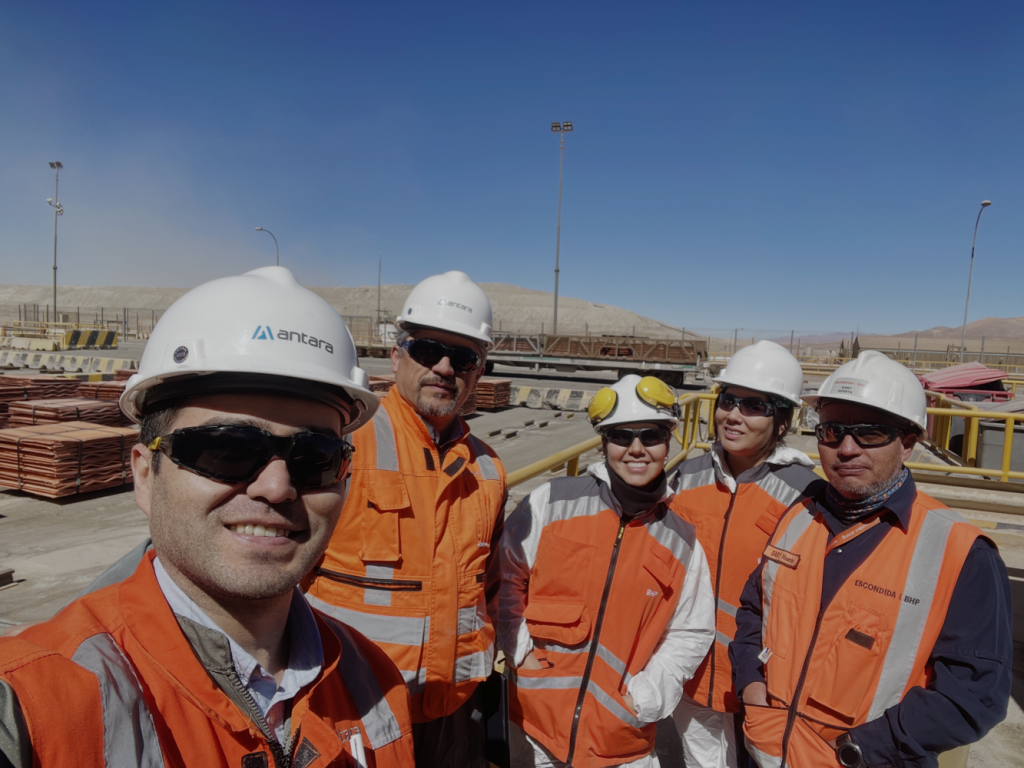
We have found that when a developer understands the real “pain” behind a data point, the solution they design is much more accurate and simple. That connection to reality is what transforms a good technician into a strategic ally for the industry. This will become increasingly relevant, as AI shifts their focus from developing code to creating and orchestrating solutions.
The Challenge for MiningTech Companies
When a company sends its teams out into the field, brings them closer to the customer, provides them with operational context, helps them understand the industry’s real pain points, and gives them room to learn, it’s not just training them. It’s shaping their judgment. It’s fostering better questions, better decisions, and, ultimately, better solutions.
It’s probably not just about continuing to search for the perfect talent. It’s also about developing talent with a purpose.
Because technology, no matter how advanced it may be, cannot replace human understanding of the contexts in which it operates. And in an industry as challenging as mining, that understanding does not come naturally: it must be cultivated, nurtured, and strengthened.
Perhaps a significant part of our competitive advantage in the coming years will lie not only in the technological solutions we develop, but also in our ability to train people who can gain a deep understanding of the industry we aim to transform.
Continue reading
Demurrage in Mining: The Contract Covers the Cost; Traceability Prevents the Problem
July 14, 2026
From mine to port of destination with no blind spots: the traceability challenge that the regional mining industry has yet to solve
June 2, 2026